How Reading Builds Empathy And Critical Thinking In Students

In Singapore’s fast-paced academic environment, reading can begin to feel like a nice-to-have hobby, rather than an essential habit. Between packed schedules, tuition classes and assessments, many students read only when the curriculum requires it. This turns reading into something functional rather than meaningful, a way to answer comprehension questions, memorise content and prepare for tests.
Yet, reading does far more than support exams. Consistent reading builds empathy and critical thinking by training students to interpret viewpoints, infer meaning and evaluate ideas thoughtfully. These skills lie at the heart of strong English performance and extend well beyond the classroom.
In fact, encouraging consistent reading habits is one of the best ways parents can support their child’s learning at home.
What Empathy Really Means in Learning
Empathy is the ability to understand how others think and feel, even when their experiences or beliefs differ from our own. It’s not about agreement, but perspective-taking.
Reading provides a safe and powerful practice ground for empathy in various ways:
- Through stories, essays and narratives, students can step into different lives and viewpoints without risk.
- By observing characters’ struggles, moral choices and motivations, students learn to suspend judgement and consider context.
This ability to understand complexity is foundational not only to empathy, but also to mature reasoning and communication.
How Reading Trains Empathy
Exposure to Different Lives and Perspectives
Why is reading important? When students read widely, they encounter cultures, social realities and personal struggles beyond their immediate environment. Whether it’s a novel set in a different country, a memoir or a reflective essay, reading exposes students to perspectives they may never experience directly.
Over time, this broadens worldviews and reduces the tendency for snap judgement. Students learn that situations are rarely one-dimensional, and that human behaviour is often shaped by circumstances, values and constraints.
Understanding Motivation and Human Complexity
Good reading encourages students to ask deeper questions: Why did the character act this way? What pressures influenced their decision? What alternatives did they have?
This habit translates into real-life empathy. Students become more attuned to the motivations of classmates, teachers and family members. In school discussions and writing, this ability to understand motivation strengthens character analysis, argumentative balance and personal reflection.
Language as an Emotional Lens
Language carries emotion. Tone, diction and imagery all shape how a reader feels about a subject or character. When students learn to notice these cues, they develop emotional literacy: the ability to recognise subtle shifts in attitude, mood and intent.
This sensitivity improves reading comprehension and enhances students’ own writing, allowing them to communicate ideas with greater nuance and control.
What Critical Thinking Looks Like in English
Critical thinking is often misunderstood as intelligence or talent. In reality, it’s a nuanced set of skills, from analysing information and questioning assumptions to forming justified conclusions. These skills are critical in English assessments across Singapore’s education system:
- When answering comprehension questions, students are rewarded for the ability to analyse passages, infer meaning and evaluate viewpoints.
- In application questions, students learn to connect ideas from texts to real-world contexts.
- When writing argumentative essays, the ability to construct logical arguments and consider opposing views is paramount.
Critical thinking is not an optional skill; it’s central to success in English examinations.
How Reading Builds Critical Thinking
Reading Teaches Students to Infer, Not Just Recall
Reading trains students to move beyond surface-level understanding: instead of recalling facts, they learn to read between the lines, interpret implications and connect ideas across a text.
This directly improves reading comprehension, particularly for higher-mark inference questions. Students who read regularly are better able to justify answers with evidence and explain reasoning clearly.
Detecting Bias, Assumptions & Purpose
Strong readers constantly ask: What is the writer trying to do? Are there assumptions being made? Is one perspective emphasised while others are ignored?
By noticing loaded words, missing viewpoints and gaps in argument, students develop sharper judgement skills. This is essential for argumentative writing and for subjects like General Paper, where students are expected to evaluate complex issues critically.
Tracking Logic and Structure
Reading teaches students how arguments are built. They observe how introductions frame issues, how paragraphs develop claims and how conclusions resolve ideas. If you are wondering how to improve your child’s critical thinking skills, reading is the answer.
This structural awareness transfers directly to writing. Students who read well-organised essays and articles tend to produce clearer, more coherent writing themselves.
Academic Benefits of Reading
The benefits of reading extend across multiple aspects of English performance. Regular reading improves vocabulary breadth and accuracy, strengthens grammar intuition, and sharpens sentence control. This, in turn, increases writing fluency and depth of ideas.
These gains are most visible in upper primary and secondary results. Students who read consistently often perform better in comprehension and composition components. For many families, this is why reading is quietly reinforced alongside a primary English tuition class or secondary English tuition programme; not as extra work, but as foundational development.
Building Reading Habits That Last
Start Small and Make It Sustainable
The most effective reading habits are modest and consistent. Ten to fifteen minutes a day is far more powerful than long, irregular reading sessions.
Link reading to natural routines: after dinner, before bed or during commutes. When reading becomes part of daily life, it feels less like an obligation.
Choose Age-Appropriate Texts
Text choice matters. A useful rule is to choose texts slightly above comfort level. The right challenge stretches thinking without overwhelming the reader:
- For upper primary students, engaging narratives, short novels and accessible non-fiction work well.
- Secondary students can explore opinion pieces, short stories and theme-driven texts.
- For JC students, essays, editorials and long-form writing on global issues are ideal. This is why many JC GP tuition programmes emphasise reading widely: ideas and perspectives form the raw material for strong GP essays.
Read Actively, Not Passively
Active reading deepens both empathy and critical thinking. A simple routine is enough: underline one key idea per paragraph, jot a short margin note such as ‘main point’, ‘shift’ or ‘tone’, and pause occasionally to ask, ‘What does this mean?’
This habit transforms reading from passive consumption into thoughtful engagement and significantly improves reading comprehension over time.
Reading Builds Clearer Thinkers and Deeper Perspective
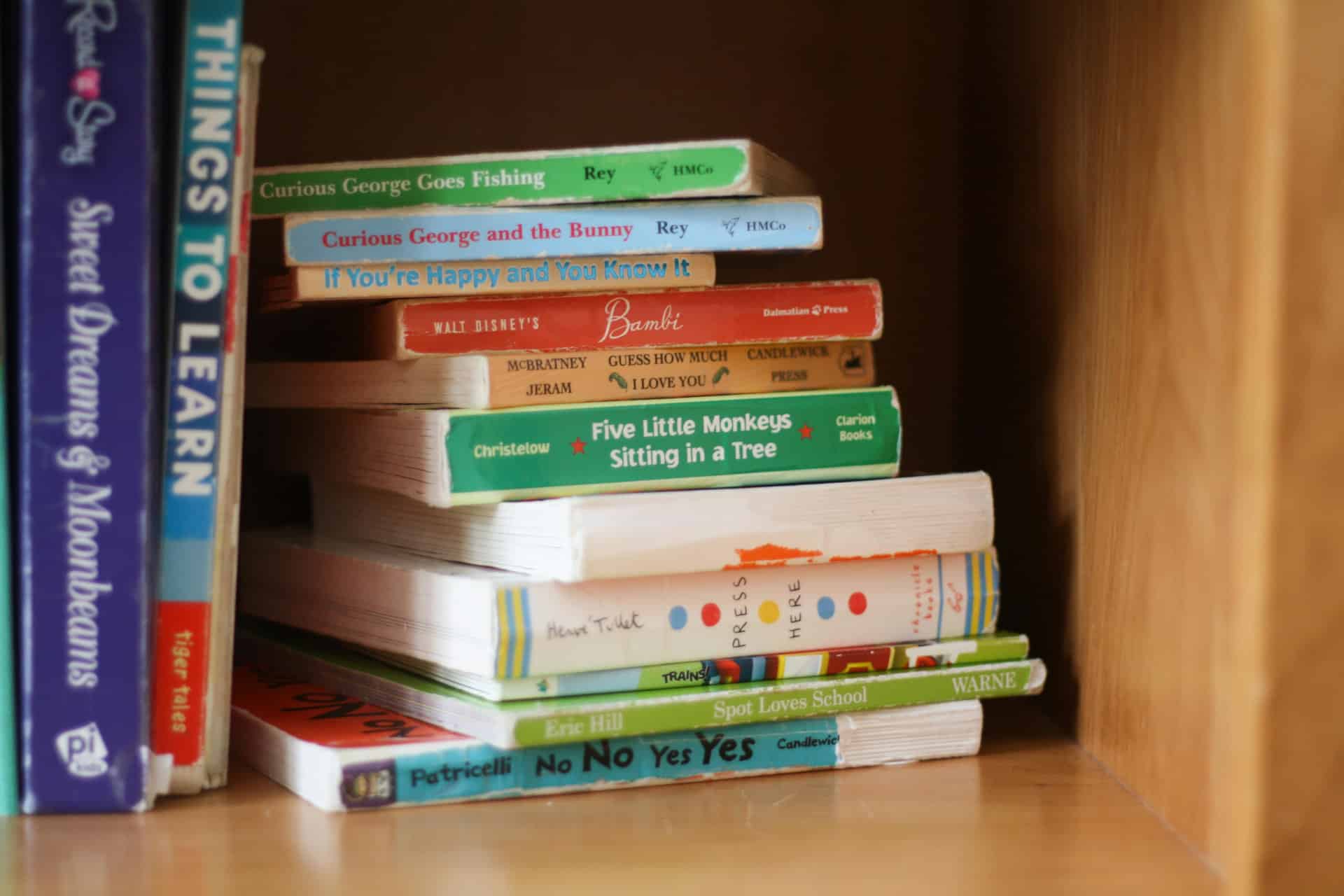
Reading should not be viewed as a quick hack for grades; it’s a long-term investment in how students think, feel and communicate. Through developing a strong reading habit, students learn empathy through understanding diverse perspectives and motivations. They build critical thinking skills by analysing ideas, questioning assumptions and tracking logic.
For parents and students in Singapore, this means viewing reading as a core part of intellectual growth. Whether supported at home, through an English language enrichment course or alongside structured support such as secondary English tuition or JC GP tuition, consistent reading strengthens the foundations that academic success is built on.
The most important step is simply to begin: read consistently, read with purpose and allow the habit to compound over time.
Register for a class now!
Related Articles

Good Phrases to Describe Happiness in Primary School Composition